


Why an LMS Makes It Easier to Track and Audit Employee Compliance Training
Managing employee compliance training can quickly become overwhelming. There are deadlines to meet, certificates to collect, reminders to send, and audit reports to prepare. When everything is handled through spreadsheets, emails, and scattered folders, even a small update can create confusion.
This is where an LMS for compliance training makes a real difference. It brings your training records, employee progress, certificates, reminders, and audit reports into one organised system. As a result, HR teams can stop chasing documents and focus on keeping employees trained, compliant, and audit-ready.
Quick takeaway: A Learning Management System helps businesses track who completed mandatory training, who still needs to finish, which certificates are valid, and what proof is available during an audit.
Why Compliance Training Is Difficult to Manage Without a System
Compliance training is not just about asking employees to watch a few training videos. It is about tracking who completed the training, when they completed it, whether they passed, and whether their certificate is still valid.
Without the right tool, HR teams often depend on spreadsheets, emails, paper records, and manual follow-ups. This may work for a very small team, but it soon becomes difficult to manage as the organisation grows.
Rules and regulations also change from time to time. That means companies need to update their training content, reassign courses, and make sure employees complete the latest version. Doing all of this manually takes time and creates plenty of room for mistakes.
The Problem with Fragmented Records
Poor record-keeping can make any audit stressful. Auditors may ask for evidence that employees have completed specific training. If your records are spread across inboxes, folders, printed files, and individual spreadsheets, finding that proof can take hours or even days.
Incorrect or incomplete records can also create bigger problems, including penalties, legal risks, and damage to your company’s reputation. So, clean and accessible records are not just helpful. They are a business necessity.
How an LMS for Compliance Training Addresses These Challenges
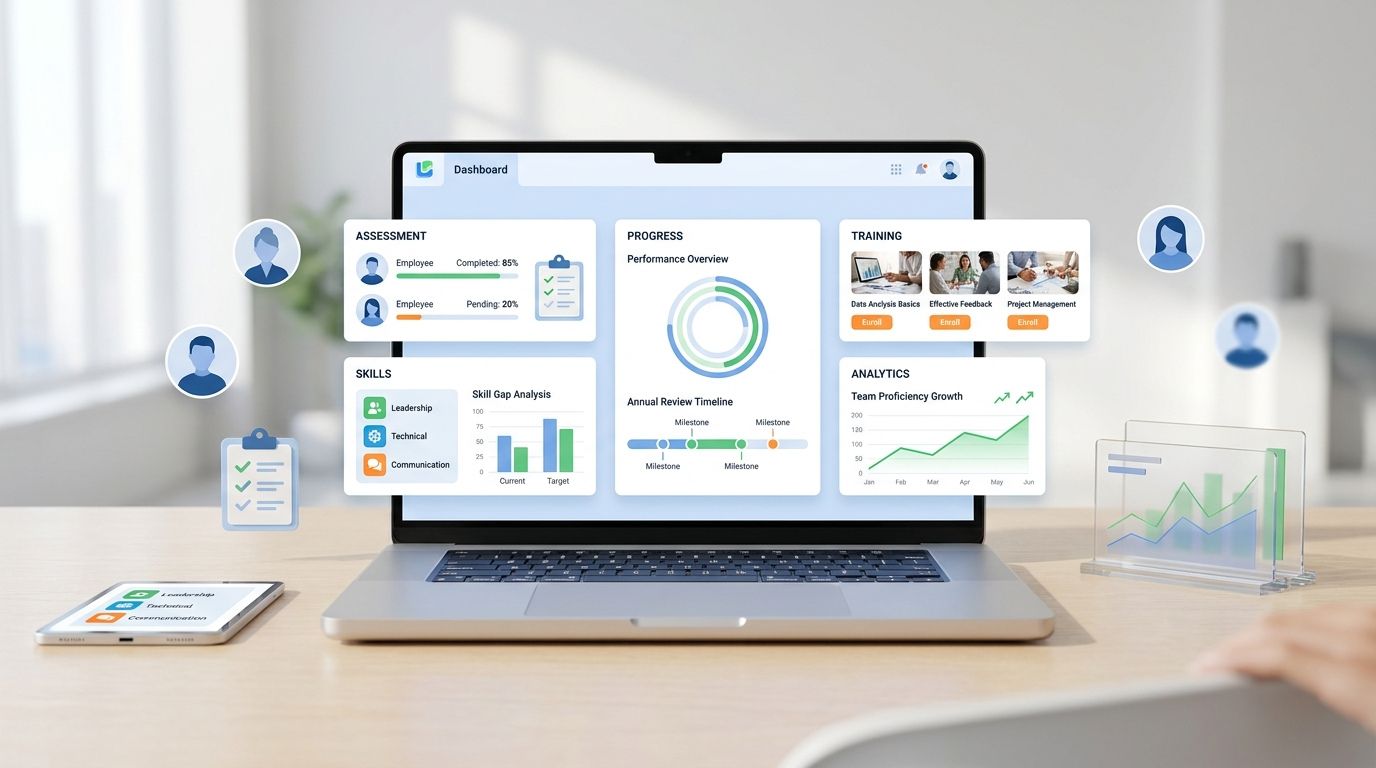
The right LMS gives your organisation one central place to manage compliance training. Managers can quickly see who has completed a course, who still needs to finish, and who needs a reminder. Everything is updated in real time, so there is no need to search through files or send manual follow-up emails again and again.
The system also keeps a detailed log of training activity. When an audit comes, you can pull up reports, filter data by department or date, and see exactly what happened and when.
✓Automated Reminders Keep Everyone on Track
Automated reminders are one of the biggest benefits of using an LMS. Instead of sending reminder emails manually, the system can notify employees when a course is due, overdue, or when a certificate is about to expire.
This improves completion rates and saves managers from constantly chasing employees. It is especially useful for growing businesses where manual tracking is no longer practical.
✓Store Audit-Ready Digital Certificates
Another useful feature is automatic certificate generation. Once an employee completes a compliance course, the LMS can generate a certificate and store it in the employee’s profile.
This makes verification much easier during audits. Digital certificates are also less likely to be lost than paper records because everything stays organised and secure inside the system.
✓Intelligent Reporting Makes Audits Easier
Audits do not have to feel like last-minute emergencies. With the right LMS, preparing for an audit can take minutes instead of days. Most LMS platforms allow you to generate detailed reports in just a few clicks.
These reports can show completion status, quiz scores, attempt history, certificate details, and training dates. Many platforms also offer custom reporting, so you can export exactly the information an auditor needs.
✓Role-Based Access Control Improves Data Management
Security is also important when managing employee training data. A good LMS allows you to set access permissions based on user roles. For example, a department manager can view only their team’s training data, while HR administrators can access organisation-wide reports.
This protects sensitive employee information and keeps data organised for the people who need to use it.
Ready to Simplify Compliance Training?
Stop depending on scattered spreadsheets and manual follow-ups. Use an LMS to track training, manage certificates, and prepare audit-ready reports with confidence.
Enquire NowHow to Make Compliance Training Audit-Ready with an LMS
1. Create a Central Training Library
Upload all mandatory compliance courses, videos, PDFs, quizzes, and supporting resources into one LMS. This helps employees access the right training material from one place.
2. Assign Courses by Role or Department
Different employees may need different compliance training. With an LMS, you can assign courses based on job role, department, location, or training requirement.
3. Automate Reminders and Deadlines
Set due dates and allow the LMS to send reminders automatically. This helps employees finish training on time and reduces the need for manual follow-up.
4. Track Completion in Real Time
Use dashboards to monitor training progress, pending courses, expired certificates, and overall compliance status at a glance.
5. Generate Digital Certificates
After course completion, the LMS can issue and store certificates automatically. This makes it easy to verify employee training during internal reviews or external audits.
6. Export Audit-Ready Reports
When an auditor asks for proof, you can export reports showing completion dates, course results, certificate status, and employee training history.
What to Look for in a Compliance Training LMS
Not all LMS platforms are the same. Before choosing one, look for features that make compliance training easier for both HR teams and employees.
Real-Time Dashboards
See training progress, pending courses, and certificate status without opening multiple files.
Automated Reminders
Never miss a due date, renewal deadline, or mandatory training follow-up.
Audit-Ready Reports
Export detailed training reports whenever you need them for internal or external audits.
Access Controls
Keep employee data secure and make sure the right people can view the right information.
Multi-Format Content Support
Deliver training through videos, quizzes, PDFs, presentations, and SCORM files.
Responsive Access
Allow employees to complete training from any device, whether they are in the office, remote, or on the go.
Together, these features make compliance training easier to manage and easier to prove when it matters most.
How Learn.iTroSys.Com Supports Compliance Training
If you are looking for a reliable platform for structured and trackable employee training, Learn.iTroSys.Com is worth exploring. It is designed to support organisations that need simple course creation, real-time tracking, and audit-ready reporting in one clean interface.
Learn.iTroSys.Com also supports different learning needs. Whether your team works from the office, from home, or while travelling, employees can access training from any device and complete courses on their own schedule.
The platform is also built with simplicity in mind. You do not need a technical background to set it up or manage daily training activities. This makes it a practical choice for small teams, growing businesses, and large organisations.
Frequently Asked Questions
What is an LMS used for in compliance training?
An LMS, or Learning Management System, is a digital platform that helps companies create, deliver, track, and report mandatory training programs. It keeps training records in one place and makes audits easier to manage.
Are audit reports generated automatically by an LMS?
Yes. Most modern LMS platforms allow you to generate reports in a few clicks. You can filter data by team, department, date range, course, or employee to get the exact information needed for an audit.
How does an LMS help with certificate management?
When an employee completes a course, the LMS can automatically create and store a digital certificate in the employee’s profile. These certificates remain available whenever you need proof of completion.
Is an LMS useful for small businesses?
Absolutely. Even small teams benefit from an LMS because it reduces manual work, improves accountability, and helps businesses demonstrate compliance without needing a large HR team.
How do I choose the right LMS for my organisation?
Choose an LMS that fits your budget, supports your training content, offers strong reporting features, and is easy for both admins and employees to use. Learn.iTroSys.Com is one option to consider for compliance-focused training.
Are You Ready to Take Control of Your Compliance Training?
Tracking and auditing employee training does not have to be complicated. With the right LMS, your team can stay compliant, organised, and audit-ready without stress or last-minute scrambling.
Visit Learn.iTroSys.Com today and discover how the platform can help your organisation manage compliance training with confidence.
Get Started Today